Need for Sustainability Beyond the Cup
Every drink served at a stadium creates a choice. Continue the cycle of plastic waste or transform agricultural waste into something useful.

From Stadium Waste to Microplastics
When single-use plastic cups are discarded, they don't break down into harmless organic matter. Instead, they fragment into microplastics—particles less than 5mm in size—that remain in the environment for centuries. In a crowded stadium, thousands of these cups are lost to the wind and drains, entering the wider ecosystem before the game is even over.
These microplastics are now being found in the most remote corners of the planet, from deep ocean trenches to human blood and lung tissue. By continuing to use conventional plastic at massive scales, stadiums aren't just creating litter; they are contributing to a long-term biological crisis that bypasses the recycling bin entirely.
Microplastics found in 80% of humans tested
A person ingests ~5g of plastic every week
Plastic lasts 400+ years in natural systems

Sources
- Environmental International (2022)
- The Guardian: Microplastics in Human Blood
- Plastic Health Council Report
What If Waste Could Replace Plastic?
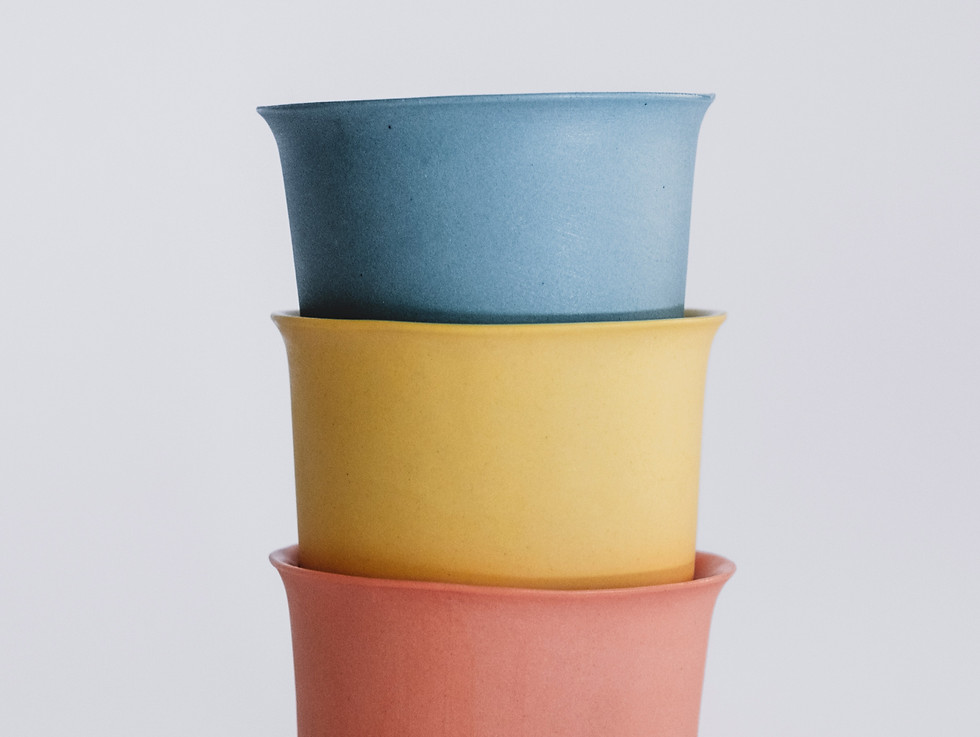
Agricultural secondary products—hulls, stalks, and fibers—are usually burned or left to rot, releasing carbon back into the atmosphere. Tarooco harnesses these materials, turning potential waste into high-performance stadium solutions that feel like stone and perform better than plastic.

Rice Husk
The protective outer layer of rice grains, rich in silica for natural durability and thermal resistance.

Bagasse
Fibrous sugarcane residue that provides structural strength and a smooth, premium finish.
Bamboo Fibre
Ultra-strong renewable cellulose that reinforces the composite and reduces overall weight.
Sources:
- Garrido, J. W. et al. (2021). Rice Husk Ash in Composite Materials.
- Silva, F. A. et al. (2020). Bagasse Fiber as a Sustainable Reinforcement.
- National Science Foundation (2022). The Future of Bio-Composites.
Designed for Circular Events
Stadiums are high-pressure environments. For a sustainable solution to work, it must match the speed, durability, and logistical requirements of mass-scale events. Our approach is built on materials that perform where they are needed and disappear where they aren’t.
- Logistical Compatibility: Optimized for stadium stacking, cleaning, and reuse cycles.
- Waste-to-Resource: Diverting millions of tons of agricultural byproducts from open field burning.
- Research-Driven: Continuous testing for material safety, microplastic prevention, and end-of-life impact.
Tarooco is not just a cup company. We are a student-led initiative exploring how better materials can help create better systems.

Explore the Science
Agricultural Waste Materials
Sustainable Event Management
The Future of Stadium Sustainability Starts With One Cup
Reducing stadium waste is a massive challenge, but the solutions already exist in nature. Join us in transforming how venues think about materials, waste, and the spectator experience.